How do you drain a kiddie pool?
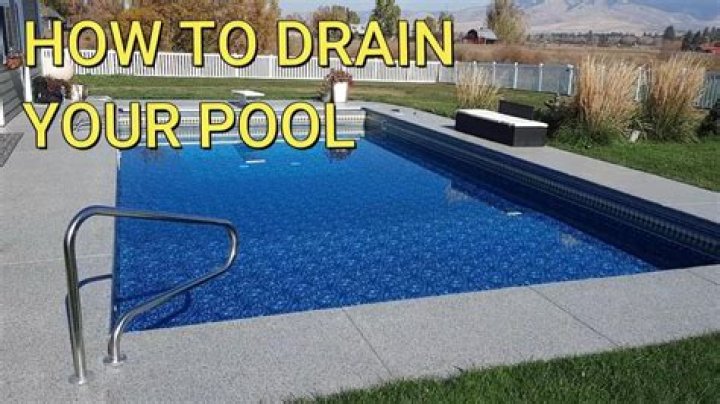
How do you drain a kiddie pool?
Submerge one end of the hose inside the kiddie pool, close to the center. Lay the other end of the garden hose lower than the kiddie pool, leaving it in the location where you want to release all the water. The water flow should then reverse, and the kiddie pool will begin to drain.
Can I drain my pool into the toilet?
Run a hose from your swimming pool to the sanitary sewer access port or your indoor drain. Attach a submersible sump pump to the other end of the hose and place it in the deep end of the pool. Many cities have ordinances dictating the allowable flow rate of the sump pump you use when draining pool water into the sewer.
Do kiddie pools need to be drained daily?
The water in small inflatable or plastic pools and water slides should be emptied at least daily to help prevent the spread of germs. After emptying the water from the pool: Remove any debris. Rinse off any dirt with fresh water.
Can you drain pool water into a lake?
YES! YES! Do not discharge chlorinated or saline pool water into the street or gutter because this water drains into creeks, lakes, and rivers without being treated first. Remember to dispose of unwanted pool chemicals as household hazardous waste.
How often should you change water in a kiddie pool?
every two weeks
For most inflatable pools or plastic kiddie pools following my guidelines above, the water should still be changed every two weeks. If you are not adding chlorine to kill bacteria, the pool should be drained every other day. Stagnant water without chlorine, can become unhealthy water in just 24-48 hours.
Do you need a siphon to drain a toddler pool?
The trick is to use a siphon. But you do NOT have to suck gross used pool water into your mouth. That would’ve been a deal breaker for me. All you’ll need is your toddler pool and a small length of garden hose. Step 1: Drop your hose into the water and let it sink.
How to easily drain a toddler pool joyful abode?
Just press the two together in the pool; no seal needed. When you see water at the far end of the drain hose just keep the pool end submerged. The exit end of the drain hose needs to be at least a little lower than the pool end. I change the water each use, guilt free and sparkling for the grand-daughters. Trees and bushes happy too. Reply
What’s the best way to drain a pool?
I use a long length of old hose to direct used water to trees and bushes all around the yard. Lay out he old hose and then fill it from your garden hose. Just press the two together in the pool; no seal needed. When you see water at the far end of the drain hose just keep the pool end submerged.
What’s the best way to keep kids safe in the pool?
Keeping a close eye on children when they are in the water and knowing how to properly clean the pool or water slide after they’ve used it can help ensure a safe and healthy experience for everyone. Always closely supervise children when they are in or around water.
What’s the best way to drain a toddler pool?
But just letting it sink (and making sure there’s no floating part to indicate there is air in that section) works better than anything else. You want ZERO air in the hose. Step 2: keep the whole hose underwater, and tightly plug one end with your thumb. My thumb pad borders on being too small for this.
Where is the best place to drain a small pool?
Decide where on the deck or yard you want the water to drain. Your hose will go on the side nearest this spot. It helps, of course, if you have nearby grass or plants that could use a few extra gallons.
Can a small pool be used as a kids pool?
While this tip will work with small kids pools such as the one in the pictures ( this one here) it may not work well for large pools. That is mainly because of the amount of water in the larger pools. I got a pool for the kids to stay cool with.
Keeping a close eye on children when they are in the water and knowing how to properly clean the pool or water slide after they’ve used it can help ensure a safe and healthy experience for everyone. Always closely supervise children when they are in or around water.