How do you remove Diamond Brite from a pool?
How do you remove Diamond Brite from a pool?
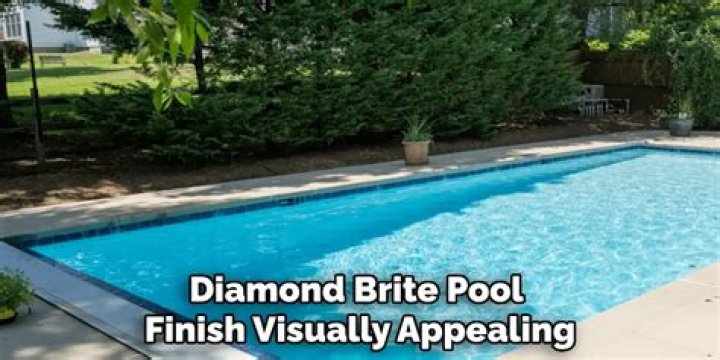
Diamond Brite is a brand of plaster that some pool owners use to cover their gunite pools. Over time however, Diamond Brite plaster will become stained from the chemicals used in your pool. These stains can be removed by acid-washing your pool after the water is drained from it.
How soon can you swim after Diamond Brite?
The filter can be set for normal operation with a Diamond Brite pool. Do not swim in the pool until there is no longer evidence of plaster dust in the water and chemicals have been balanced. Do not use the pool sweep cleaner for at least ten days subsequent to the application of plaster or Diamond Brite.
What is the most popular Diamond Brite color?
Common colors for Diamond Brite pools include Cool Blue, Onyx, Ivory, Oyster Quartz, Aqua Quartz, and Verde. However, our favorites are Tahoe Blue and French Gray.
Why does a white pool look blue?
“You notice the blue effect when you have a large volume of water because of the way molecules are slightly absorbing light from the red end of the spectrum. The same thing happens even under artificial lighting, added Coxon, and the deeper the pool is, the bluer it will look.
Is a salt or chlorine pool better?
Because they have lower chlorine levels, salt water pools are much gentler on the eyes and skin. Research indicates that salt water systems may be safer than chlorine pools, which force owners to store and handle unsafe chemicals. Salt water pools produce softer-feeling water, which many find desirable.
How much does Diamond Brite pool surface cost?
When it comes to choosing the type of pool surface, there are several options. The three basic types of pool surfaces and their average cost per square foot are as given below. White plaster – $4 per square foot Aggregate quartz finish/ Diamond Brite – $5 per square foot
What should I do if I damage my diamond Brite?
Depending on the level of damage, it may be possible to simply patch the damaged areas. If you buy a cheap pool plaster patch, the patch will be visible. If you hire a company like Sublime Pools & Spa, we can match your patch to the current finish of your pool and make it look as if the damage never existed.
Why are there cracks in my diamond Brite pool?
These cracks will then allow water to get behind the pool’s plaster and cause problems. One of the main reasons this happens can be because the plaster may have been exposed to direct sun and may have got too hot. Before filling, the plaster should have been checked for delaminations.
What kind of cement does Diamond Brite use?
Diamond Brite from SGM is all that and more. Diamond Brite combines natural quartz aggregate, polymermodified cement and non-fading Diamond Quartz in a stunning variety of colors. The result is a unique finish that stands up to the harshest pool environments while providing many years of enjoyment.
What should I put under my diamond Brite pool?
Pool plaster is what is under your diamond brite pool finish and is usually white in color. Pool plaster is the final coating applied to the inside walls of your concrete in-ground pool should you opt-out of a diamond brite finish when building or resurfacing your pool.
Depending on the level of damage, it may be possible to simply patch the damaged areas. If you buy a cheap pool plaster patch, the patch will be visible. If you hire a company like Sublime Pools & Spa, we can match your patch to the current finish of your pool and make it look as if the damage never existed.
How to install a diamond Brite tile floor?
1. Follow all of the above procedures. 2. Undercut all existing tile and fittings 2” away and 3/8” deep into the existing plaster substrate. 3. Sound out and remove all hollow and delaminated plaster. Identify the hollow spots and saw an area 3” outside them. Remove the loose plaster inside the cut area. 4 4.
What’s the best way to clean diamond Brite plaster?
Wash with chlorine until algae, mold, and mildew are gone. Wash oil and grease spots using tri-sodium phosphate or equivalent and water; soak if necessary. Remove all cleaning solutions via high-pressure washing. Remove and repair all hollow and de-laminated plaster.