What is being done about sweatshops?
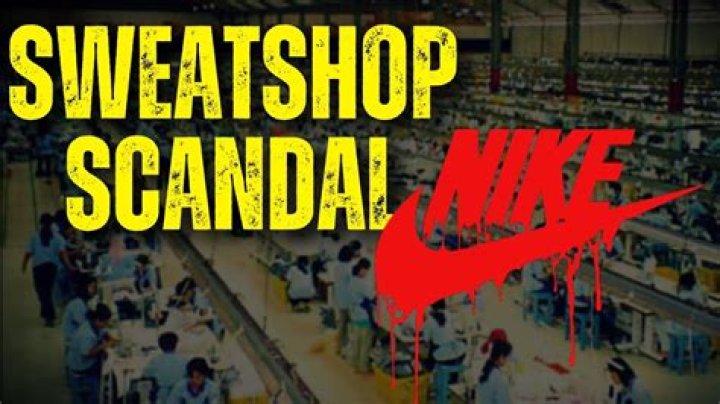
What is being done about sweatshops?
Mobilize in at your workplace, school, or in your community. Encourage local businesses to source sweatshop-free products. Work with your coworkers to ensure that the company t-shirts are sweat-free. Work with members of your faith community to develop a sweatshop-free purchasing policy.
Which government is responsible for sweatshops?
The RCMP and the DND mandate that suppliers make garments in Canada, primarily for security reasons.
What is being done to raise awareness about sweatshops?
Answer: Boycotts of major companies that profit from sweatshops.
Are there laws against sweatshops?
Are Sweatshops Legal in the United States? Sweatshops, by definition, are any factories that break labor laws. In that regard, sweatshops are considered illegal in the United States. Unfortunately, the consequences for breaking such labor laws is often not enough of a deterrent to prevent sweatshops from existing.
Do sweatshops help or hurt the poor?
Studies have shown sweatshop jobs often pay three to seven times the wages paid elsewhere in the economy. But, taking away sweatshops does nothing to eliminate that poverty or to enhance their options. In fact, it only reduces them further, taking away what workers themselves regard as the best option they have.
Do sweatshops help the poor?
And sweatshops not only reduce poverty, but they also provide empowerment for women. Research has shown that work in sweatshops delays marriage and pregnancy for women and girls, and also increases their school enrollment. Poor women in developing countries are among the most vulnerable people on the planet.
What are the arguments for and against sweatshops?
The argument made by people against sweatshops is that the working conditions there are horrific and instead of providing employment, they are actually causing mayhem. Since the multi-nationals themselves do not perform most of the work, there is no reliable data available for these sweatshops.
Are sweatshops illegal in developing countries?
In developing countries, an estimated 168 million children ages 5 to 14 are forced to work. America has stronger labor laws than most undeveloped countries, but it is not free of sweatshop conditions. Products that commonly come from sweatshops are garments, cotton, bricks, cocoa, and coffee.
Why are sweatshops bad?
Sweatshops often have poor working conditions, unfair wages, unreasonable hours, child labor, and a lack of benefits for workers. In developing countries, an estimated 168 million children ages 5 to 14 are forced to work.
Should we boycott sweatshops?
Some economists fear a boycott of sweatshop labour could lead to job losses and even worse conditions. But, a better campaign would put pressure on companies to produce responsibly and ensure minimum standards in factories where their products are made.
Why are sweatshops so bad?
One of the many downsides of sweatshops is the poor working conditions employees face. Some of factories lack natural light, safety equipment such as fire extinguishers, emergency exits, and indoor plumbing (Travis). The factories are very unsafe in regards to the safety of the workers.
How do sweatshops help the poor?
It is better to do something to end the problem of global poverty than it is to do nothing. Sweatshops are doing something to help. They are providing jobs that pay better than other alternatives, and they are contributing to a process of economic development that has the potential to offer dramatic living increases.
How does the government influence the sweatshops and its workers?
findings revealed that governments have a large influence on the sweatshops and its workers. If sweatshops were removed, it would lead to unemployment for many or force governments to engage in legit industries that would generate more income. Moreover, findings highlighted that it is very important to educate the workers on their own rights.
Are there any sweatshops in the developing world?
For those of us living in prosperous countries, it is easy to lament the existence of sweatshops in the developing world. In America, we are so fortunate to enjoy some of the best working conditions in the world. So, when we get a glimpse of working conditions in places like Bangladesh, we are understandably appalled.
Why do we need to ban sweatshops in America?
An employer can’t afford to pay a worker more than the revenue his work brings in: doing so will eventually lead to bankruptcy. If employers can only offer a wage higher than that, they will have no choice than to lay workers off or not hire them in the first place.
How are wages and working conditions set in sweatshops?
Wages and working conditions in sweatshops are set by the same process that sets wages and working conditions in wealthier countries: supply and demand. The wages are conditions are determined by bidding between employers and potential employees.
What do you need to know about sweatshops?
11 Facts About Sweatshops. A “sweatshop” is defined by the US Department of Labor as a factory that violates 2 or more labor laws. Sweatshops often have poor working conditions, unfair wages, unreasonable hours, child labor, and a lack of benefits for workers. Take a stand and protest: Ask your school to make its apparel under fair conditions.
What does the US Department of Labor mean by a sweatshop?
A. The US Department of Labor defines a sweatshop as any factory that violates two or more labor laws, such as those pertaining to wages and benefits, working hours, and child labor.
findings revealed that governments have a large influence on the sweatshops and its workers. If sweatshops were removed, it would lead to unemployment for many or force governments to engage in legit industries that would generate more income. Moreover, findings highlighted that it is very important to educate the workers on their own rights.
How many children are forced to work in sweatshops?
In developing countries, an estimated 168 million children ages 5 to 14 are forced to work. [3] America has stronger labor laws than most undeveloped countries, but it is not free of sweatshop conditions. Many labor violations slip under the radar of the US Department of Labor.