Why are my air vents on the floor?
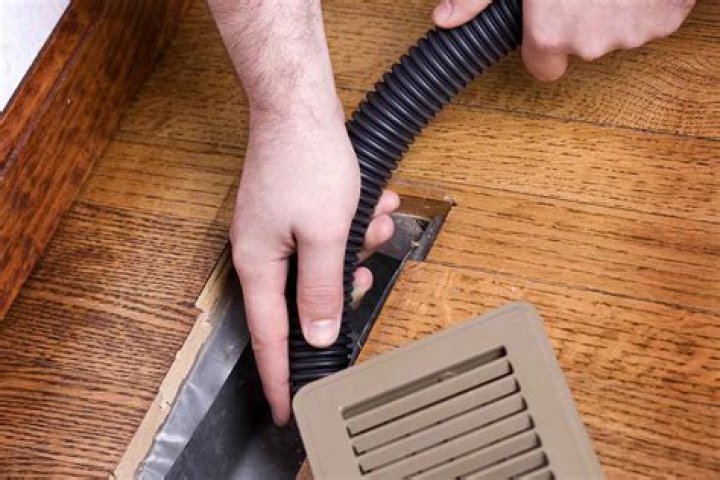
Why are my air vents on the floor?
Floor ducts are effective because they deliver heated air at floor level. The heat then rises and continues to warm the rest of the room. Floor vents are typically used in homes where the furnace is in a basement or the ducts (the piping from the furnace) travel through an underground crawlspace.
Can a floor vent start a fire?
Fire Hazard Perhaps the most obvious (and most dangerous) result of a blocked vent is that it will cause a fire. When you’re forcing your system to overwork, as mentioned in our first point, you put your furnace at high risk of setting on fire.
Is it bad to cover a floor vent?
Covering the floor registers in your home is potentially dangerous if you cover them when using the heating or cooling system. The air pushes through the grates, but the covers block the air from escaping. When you turn the heat up, you push more air through, which raises your heating bill.
Why do I have vents in my floor?
Floor vents are needed for keeping homes warm or cool, if you have a forced-air system in your home. But they create openings in the floor that small items can easily be dropped into. Access is not always simple when you need to retrieve the dropped item, but there are a few ways you can attempt to rescue it before giving up. Remove the vent cover.
Why does my furnace not work when I block the vents?
Why It Doesn’t Work. In some furnace systems, each room has a vent as well as a cold air return. Blocking the vents without also blocking the return forces cold air to be sucked into the system at a higher rate, mixing with the warm air and lowering the overall temperature of the heated air being distributed throughout your home.
What happens if you leave your ventilation system on while cleaning vents?
If you leave your home ventilation system on while cleaning vents, the blower might turn on and kick dust and grime into the air. This will only cause the dirtiness on your vents to spread around your home. Dust and grime that have become airborne can irritate your eyes and lungs when cleaning.
Which is better ceiling mounted vents or floor vents?
As a general rule, ceiling mounted vents offer better cooling potential, while floor vents offer superior heat delivery. These principles should also be applied when locating return vents (the vents that pull air from the room to supply your HVAC system): For homes where heating is a primary concern,…
Why do you need to know about your return vents?
They work to keep your interior pressurized and the interior air clean as they feed air to the air handler. You should know how many return vents you have and where they’re located. When your HVAC system blows air into your home, that changes the air pressure inside. The excess air needs somewhere to go, and that spot is the return vent.
Where are the vents and registers in a home?
If your home has central heating and air, it contains a series of openings used to transfer air to and from the air conditioner and furnace. These openings are the grilles, vents, and registers.
If you leave your home ventilation system on while cleaning vents, the blower might turn on and kick dust and grime into the air. This will only cause the dirtiness on your vents to spread around your home. Dust and grime that have become airborne can irritate your eyes and lungs when cleaning.
How to identify the placement of air vents?
Identify the placement. Vents in walls, ceilings, and floors may look different and have different setups. When you replace your vent, you may need to look for a specific style to match the placement. Measure before you buy. Instead of taking the old grille or register to the store with you, measure the air duct.